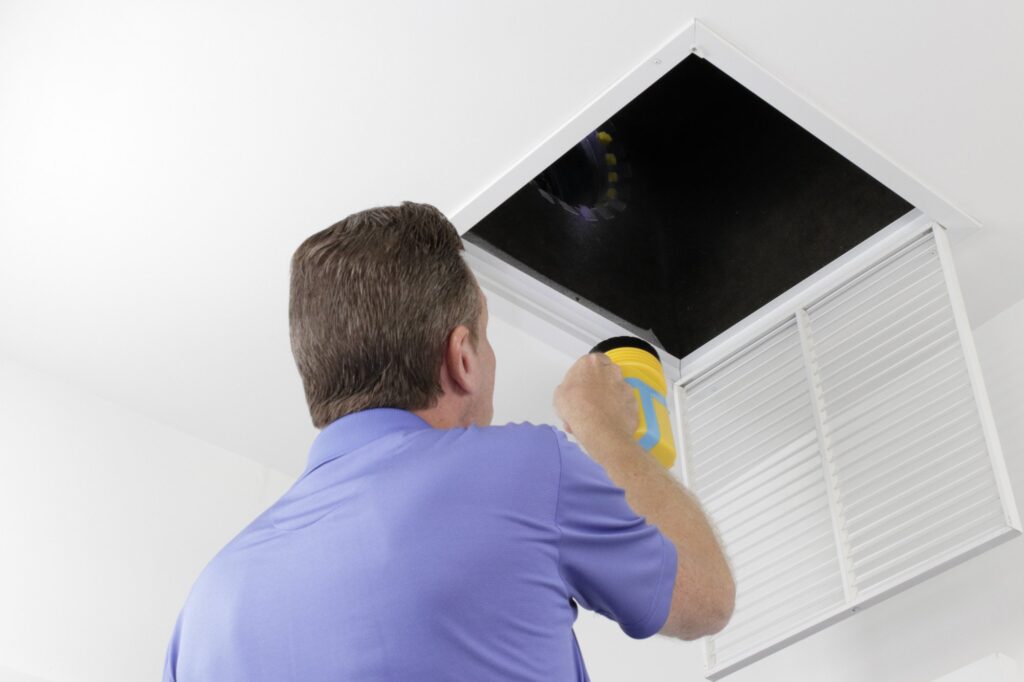
Beyond Dust: 7 Signs Your Northwest Indiana Home Needs Air Duct Cleaning
Some homeowners think air duct cleaning is only needed once dust is visible blowing from the vents. HVAC systems often show signs that they need attention long before dust becomes obvious. Since your heating and cooling system circulates air throughout your entire home every day, contaminants inside your ductwork can affect indoor comfort, airflow, odors, and overall system performance.
Northwest Indiana homes see changing seasons, lake effect weather, spring pollen, humid summers, and long winter heating seasons. These conditions all contribute to dirt, allergens, and debris accumulating inside HVAC systems over time. Homes with pets, recent remodeling projects, or older ductwork may experience buildup even faster.
Knowing what to watch for can help you determine when professional air duct cleaning is worth considering. Here are seven common signs your Northwest Indiana home may need professional air duct cleaning.
1. Dust Returns Almost Immediately After Cleaning
If you spend time dusting your furniture only to notice a new layer of dust within a day or two, your HVAC system could be contributing to the problem.
Every home naturally produces dust from:
- Skin cells
- Clothing fibers
- Pet hair
- Outdoor dirt
- Household debris
Some dust is completely normal. However, excessive dust buildup despite regular cleaning may indicate that contaminants inside your ductwork are being redistributed every time your furnace or air conditioner runs.
While dirty ducts are not always the only source of indoor dust, they can become a collection point for years of accumulated debris, especially if the system has gone many years without cleaning. Professional air duct cleaning clears dust from supply ducts, return ducts, branch lines, and trunk lines, helping cut down on debris moving through your home.
2. You Notice Dust Coming Out of Air Vents
One of the most obvious signs that your ductwork needs attention is visible dust blowing from supply vents.
This often appears as:
- Gray dust around vent covers
- Small puffs of dust when the HVAC starts
- Dirt collecting directly beneath registers
- Dust sticking to walls around vents
If you’ve recently changed your air filter and still notice dust exiting the vents, the buildup may be located deeper within the duct system rather than at the filter itself.
Professional duct cleaning clears buildup from the entire HVAC distribution system, not just the vent covers you can see.
3. Your Home Has a Musty or Stale Odor
Persistent odors can sometimes originate inside your HVAC system.
Common smells include:
- Musty odors
- Stale air
- Dusty smells
- Slight mildew odors
- Lingering pet odors
Because conditioned air passes through the ductwork every time your HVAC system operates, odors trapped inside the ducts can continuously circulate throughout the home.
Northwest Indiana’s humid summers can contribute additional moisture to HVAC systems, particularly if condensation develops around components or airflow is restricted. While duct cleaning is not a solution for every odor issue, removing accumulated debris and contaminants can help eliminate odors associated with dirty ductwork. Sanitizing treatments may also be recommended when appropriate following cleaning.
4. Allergy Symptoms Are Worse Indoors
Many Northwest Indiana residents deal with seasonal allergies from tree pollen, grass pollen, weeds, and mold spores.
If family members notice symptoms becoming worse while indoors, your HVAC system could be circulating accumulated allergens.
Potential symptoms include:
- Sneezing
- Runny nose
- Watery eyes
- Coughing
- Increased asthma irritation
- Nasal congestion
Air ducts naturally collect:
- Pollen
- Pet dander
- Dust mites
- Fine debris
- Other airborne particles
While air duct cleaning is not a medical treatment and cannot eliminate all allergy triggers, removing built-up contaminants from the HVAC system may reduce the amount of debris continually recirculating through your living spaces.
5. Your HVAC Airflow Seems Uneven
Some rooms feel perfectly comfortable while others remain too warm or too cold.
Before assuming your HVAC equipment needs replacement, it’s worth considering whether restricted airflow may be contributing to the issue.
Dust and debris inside ductwork can gradually reduce airflow by narrowing portions of the ventilation system.
Signs include:
- Weak airflow from certain vents
- Rooms that never reach the desired temperature
- Longer heating cycles
- Longer cooling cycles
- HVAC system running more frequently
Professional air duct cleaning removes accumulated buildup that may interfere with proper airflow, allowing conditioned air to move more consistently throughout the home.
6. You Recently Completed a Home Renovation
Home improvement projects create enormous amounts of fine dust.
Even when contractors clean thoroughly afterward, microscopic particles often enter the HVAC system.
Common renovation debris includes:
- Drywall dust
- Sawdust
- Insulation particles
- Paint residue
- Construction debris
Once these materials enter the ductwork, they may continue circulating long after the project is complete.
Many homeowners schedule professional air duct cleaning after major renovations to remove construction debris before it spreads throughout the home every time the HVAC system operates.
Projects that commonly justify duct cleaning include:
- Kitchen remodels
- Basement finishing
- Flooring replacement
- Whole-home renovations
- New construction
- Room additions
7. You’ve Never Had Your Air Ducts Cleaned
Many homeowners simply don’t know when their ducts were last cleaned.
If you’ve owned your home for many years, or recently purchased an older home, there’s a good chance debris has accumulated over time.
Homes may benefit from duct cleaning sooner if they have:
- Multiple pets
- Smokers
- Frequent remodeling
- High pollen exposure
- Occupants with allergies
- Older HVAC systems
Most homes benefit from professional duct cleaning approximately every three to five years, although the ideal schedule depends on the home’s conditions and HVAC usage.
Other Signs Worth Paying Attention To
While the seven signs above are the most common, several additional indicators can suggest it’s time for a professional inspection.
Visible Debris Inside Registers
Removing a vent cover and seeing heavy dust accumulation, pet hair, or debris inside the duct opening often indicates additional buildup deeper within the system.
Although you can vacuum around the register yourself, professional equipment reaches much farther into the ductwork.
Increased Energy Bills
Dirty ductwork is not always the direct cause of higher utility bills, but restricted airflow can make your HVAC system work harder to maintain comfortable temperatures.
When airflow improves, heating and cooling equipment often operates more efficiently.
More Pet Hair Throughout the House
Pet owners often notice fur collecting around supply vents.
While no cleaning can completely eliminate pet hair, removing accumulated debris from the duct system may reduce how much pet dander continues circulating indoors.
Why Northwest Indiana Homes Experience Faster Duct Buildup
Every region presents unique challenges for HVAC systems.
Northwest Indiana homes frequently experience:
Long Heating Seasons
Furnaces run for months during winter, continually circulating indoor air through the duct system.
Humid Summers
Humidity can contribute to moisture around HVAC equipment, making dust more likely to cling to surfaces inside the system.
Lake Effect Weather
Changing weather conditions bring additional outdoor debris, pollen, and fine particles that eventually make their way indoors.
Construction Growth
Growing communities throughout Northwest Indiana continue to see new home construction and remodeling, both of which increase airborne construction dust.
These regional conditions make periodic HVAC maintenance especially valuable for maintaining indoor comfort.
What Happens During Professional Air Duct Cleaning?
Many homeowners are surprised to learn that professional duct cleaning involves much more than vacuuming vent covers.
A comprehensive service typically includes cleaning:
- Supply ducts
- Return ducts
- Main trunk lines
- Branch lines
- Registers
- HVAC components as appropriate
Professional equipment creates negative pressure within the system while specialized tools loosen accumulated debris so it can be safely removed without spreading contaminants throughout the home. Following cleaning, some companies also offer EPA-registered sanitizing treatments to address bacteria and microorganisms when appropriate.
Can Dirty Air Ducts Affect HVAC Performance?
Your HVAC system relies on unrestricted airflow to operate efficiently.
When airflow becomes restricted, equipment may experience:
- Longer operating cycles
- Increased wear
- Reduced comfort
- Uneven temperatures
- Greater energy consumption
Although duct cleaning is not a cure-all for HVAC problems, removing accumulated debris allows air to move more freely through the system and may reduce unnecessary strain on heating and cooling equipment.
Why Professional Cleaning Is Better Than DIY
Homeowners can certainly:
- Replace HVAC filters
- Vacuum vent covers
- Dust registers
However, these tasks only address visible surfaces.
Professional duct cleaning reaches deep into the HVAC system using specialized equipment capable of removing debris from areas homeowners simply cannot access.
Attempting to clean ductwork without proper equipment may leave most contaminants behind or even damage certain types of duct systems.
Final Thoughts About Air Duct Cleaning in Northwest Indiana
Your home’s air ducts work behind the scenes every day, quietly moving heated and cooled air throughout every room. Because the ductwork stays hidden behind walls, ceilings, and floors, it’s easy to overlook until noticeable problems begin affecting your home’s comfort.
If you’ve noticed excessive dust, musty odors, uneven airflow, worsening allergies, visible debris around vents, recent remodeling dust, or simply cannot remember the last time your ducts were cleaned, it may be time for a professional inspection.
At All Star Floor Cleaning, professional air duct cleaning helps homeowners throughout Northwest Indiana remove accumulated dust, allergens, debris, and contaminants from their HVAC systems. Using specialized equipment to clean supply ducts, return ducts, branch lines, and trunk lines, the goal is to improve airflow, support cleaner indoor air, and help your HVAC system operate more efficiently for years to come. Homeowners across Valparaiso, Portage, Chesterton, Hobart, Munster, Merrillville, Crown Point, Michigan City, and surrounding communities trust All Star Floor Cleaning for thorough residential and commercial air duct cleaning services.
Frequently Asked Questions
How often should air ducts be cleaned in Northwest Indiana?
Most homes benefit from professional air duct cleaning every three to five years. Homes with pets, smokers, allergy sufferers, or recent remodeling projects may benefit from more frequent cleaning depending on the amount of buildup inside the HVAC system.
Will air duct cleaning eliminate all dust in my home?
No. Dust naturally forms in every home from everyday living. Professional air duct cleaning removes accumulated debris inside your HVAC system, which may reduce the amount of dust circulating through your home, but regular household cleaning and routine HVAC filter replacement are still important.
Can air duct cleaning help with odors?
Yes, if odors are coming from accumulated dust, debris, or contaminants inside the ductwork. Removing buildup and, when appropriate, applying an EPA-registered sanitizing treatment can help reduce musty or stale odors associated with dirty HVAC systems.
Is air duct cleaning messy?
Professional air duct cleaning is designed to contain dust and debris within specialized equipment during the cleaning process. Reputable companies use negative-pressure systems that help prevent contaminants from spreading throughout the home while cleaning the ductwork.
Does air duct cleaning improve HVAC efficiency?
Removing accumulated debris can improve airflow through the HVAC system, helping it circulate heated and cooled air more efficiently. While results vary depending on the condition of the system, cleaner ductwork may reduce unnecessary strain on heating and cooling equipment.