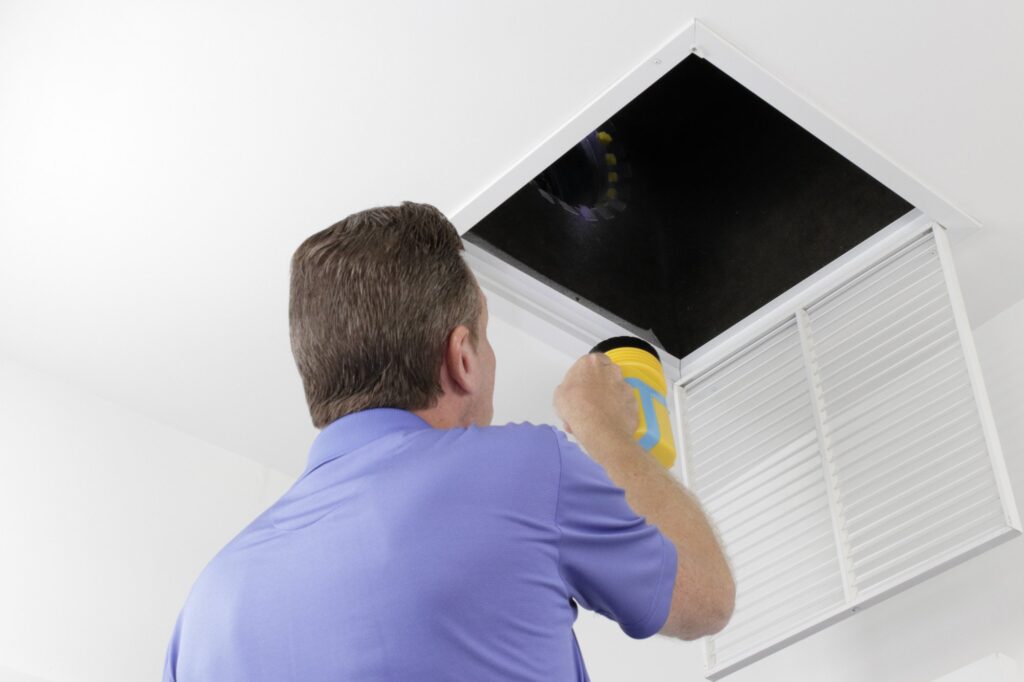
The Complete Guide to Air Duct and Vent Cleaning
The Complete Guide to Air Duct and Vent Cleaning from All Star Floor & Air Duct Cleaning
If you’ve ever gotten a knock on your door from someone claiming your air ducts are “dangerously dirty” and need immediate cleaning, you’re not alone. The air duct cleaning industry is full of aggressive sales tactics and inflated claims. But here’s the thing: sometimes your ducts really do need attention, and knowing when that is can save you money, improve your home’s air quality, and even prevent safety hazards.
Let’s cut through the marketing noise and talk about what you actually need to know about keeping your home’s ventilation system in good shape.
The Truth About Why Air Duct Cleaning Matters
Most of the benefits you hear about air duct cleaning are either exaggerated or flat-out wrong. Companies love to talk about “removing 40 pounds of dust” or claiming it will cure your allergies. The reality is more nuanced.
Clean air ducts won’t transform your health or dramatically lower your energy bills in most cases. What they will do is remove actual obstructions, eliminate musty odors caused by mold or moisture, and get rid of debris that’s restricting airflow. If you’ve had recent construction work, a rodent problem, or you can actually see chunks of debris coming out of your vents, then cleaning makes sense.
The biggest misconception? That every home needs duct cleaning every few years. Most homes with properly maintained HVAC systems can go much longer without professional cleaning, especially if you’re good about changing filters regularly.
Understanding Your System: The Basics
Your home’s ductwork is basically a highway system for conditioned air. Your HVAC unit pushes heated or cooled air through supply ducts to each room, and return ducts bring the air back to be reconditioned. It’s a closed loop that, in theory, shouldn’t get that dirty if everything is working properly.
Most homes have one of three types of ductwork: flexible ducts (that accordion-looking stuff), sheet metal ducts, or ductboard. Each has different cleaning requirements and potential problem areas.
Here’s when your ducts might actually need attention: you notice reduced airflow from certain vents, there’s a persistent musty smell when your system runs, you can see debris or mold around vent openings, you’ve had water damage near ductwork, or you’ve recently had major construction or renovation work done.
DIY vs. Professional Cleaning: Know Your Limits
There’s plenty you can do yourself to keep your system clean. Change your air filters regularly (every 1-3 months depending on the type), vacuum around vent openings, and keep an eye out for obvious problems like loose connections or visible mold.
You can also do some basic cleaning of the vent covers themselves. Pop them off, wash them in warm soapy water, and vacuum out any debris you can see in the first few feet of ductwork.
But here’s where you need a professional: if there’s mold growth beyond what you can reach, if ducts are damaged or disconnected, if there’s a strong odor you can’t identify, or if you have health issues that might be related to air quality. Also, if you have ducts in crawl spaces or other areas you can’t safely access, leave it to the pros.
The air duct cleaning industry unfortunately attracts a lot of scammers. Be wary of door-to-door salespeople, companies offering deals that seem too good to be true, anyone who wants to start work immediately without a proper inspection, or services that quote prices over the phone without seeing your home.
What Professional Cleaning Actually Involves
Legitimate air duct cleaning is more involved than just sticking a vacuum hose in your vents. Professional cleaners should inspect your entire system first, use powerful truck-mounted or portable equipment designed specifically for ductwork, clean both supply and return ducts, and clean other system components like the blower fan and coils if needed.
The process typically involves sealing off vents, creating negative pressure in the duct system, and using rotating brushes along with high-powered vacuums to dislodge and remove debris. A thorough job on an average home takes 3-6 hours, not 30 minutes.
Good contractors will show you before and after photos, explain what they found, and give you recommendations for preventing future problems. They should also put everything back together properly and test your system to make sure it’s working correctly.
Special Focus: Dryer Vent Cleaning
This is where things get serious. Your dryer vent isn’t part of your HVAC system, but it’s arguably more important to keep clean because the consequences of neglecting it can be devastating.
Every year, thousands of house fires start because of clogged dryer vents. When lint builds up in the vent pipe, it restricts airflow and creates heat buildup. Add the high temperatures your dryer produces, and you have a perfect recipe for combustion.
Beyond fire risk, a clogged dryer vent makes your dryer work harder and longer, shortening its lifespan and increasing your energy bills. You might notice your clothes taking multiple cycles to dry, the dryer getting extremely hot, or a burning smell when it’s running.
You should clean your dryer vent at least once a year, more often if you do a lot of laundry or have a long vent run. For basic maintenance, you can disconnect the vent pipe from the back of your dryer and vacuum out what you can reach. Also clean the lint screen thoroughly with soap and water periodically, as fabric softener can create a film that restricts airflow.
For deeper cleaning, especially if your vent runs a long distance or has multiple turns, you’ll want a professional. They have specialized brushes and high-powered vacuums that can clean the entire length of the vent pipe and the exterior vent opening.
The Real Dangers of Neglect
Let’s be honest about what happens when you ignore maintenance for too long. With your HVAC system, the most immediate impact is on your wallet. Dirty ducts and clogged filters make your system work harder, which means higher energy bills and more wear on expensive components like your compressor or heat exchanger.
For people with allergies, asthma, or other respiratory issues, dirty ducts can make symptoms worse, especially if there’s mold or excessive dust circulation. While clean ducts won’t cure these conditions, they can reduce one source of irritation.
The dryer vent situation is more serious. According to the National Fire Protection Association, failure to clean dryer vents is the leading cause of dryer fires. We’re talking about over 15,000 house fires annually, with dozens of deaths and hundreds of injuries. These aren’t just statistics – they represent real families who lost everything because of something completely preventable.
Even if fire doesn’t happen, a severely clogged dryer vent can cause carbon monoxide buildup if you have a gas dryer, or it can cause the dryer to overheat and break down, leaving you with a repair bill that’s often more expensive than regular maintenance would have been.
Choosing the Right Service
When you do need professional help, ask the right questions. A reputable company should be licensed and insured, provide references, give you a written estimate after inspecting your system, and explain exactly what they’ll do.
Expect to pay $300-800 for whole-house duct cleaning, depending on your home’s size and the complexity of your system. Dryer vent cleaning typically runs $100-200. Be suspicious of prices that are dramatically higher or lower than this range.
Red flags include companies that quote prices without seeing your home, insist on immediate service, use scare tactics about health risks, or try to sell you additional services like duct sealing or sanitizing without clear justification.
Maintenance Between Cleanings
The best approach to duct cleaning is not needing it very often. Change your air filters regularly – this is the single most important thing you can do. A good filter catches most debris before it gets into your ductwork.
Keep your home’s humidity levels reasonable (30-50%) to prevent mold growth, seal any ductwork in unconditioned spaces like crawlspaces or attics, and address water leaks quickly if they occur near ductwork.
For your dryer, clean the lint screen after every load, periodically wash it with soap and water, keep the area around your dryer clean, and make sure the outdoor vent opens freely when the dryer is running.
The Bottom Line
Most homes don’t need professional duct cleaning as often as companies would like you to believe. Focus on good filter maintenance, address problems when they actually exist, and don’t fall for scare tactics about invisible dangers lurking in your ducts.
But when cleaning is genuinely needed – especially for dryer vents – don’t put it off. The risks are real, and the cost of prevention is always less than the cost of dealing with problems after they occur. Trust your observations over sales pitches, and remember that a well-maintained system is usually a system that doesn’t need frequent professional intervention.